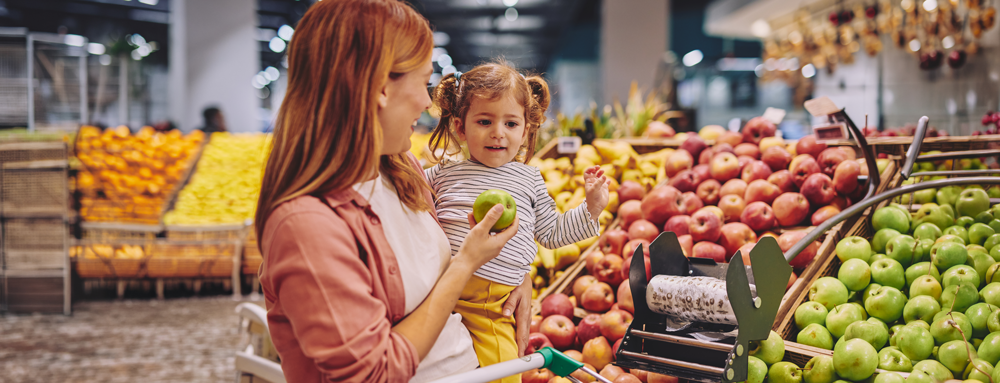
A woman and a child smile while grocery shopping

Shopping With Kids: A Simple Way to Help Them Like More Foods

March 4, 2026 Children

vegetable A Simple Way to Help Kids Like More Foods
Getting kids to try new foods can feel hard. One helpful place to start is the grocery store. When kids get to help shop for food, they are more likely to taste and accept those foods later. Shopping together helps kids feel curious, confident, and proud of their choices.

This can be especially helpful when shopping for WIC-approved foods, like fruits, vegetables, whole grains, dairy, eggs, and beans.

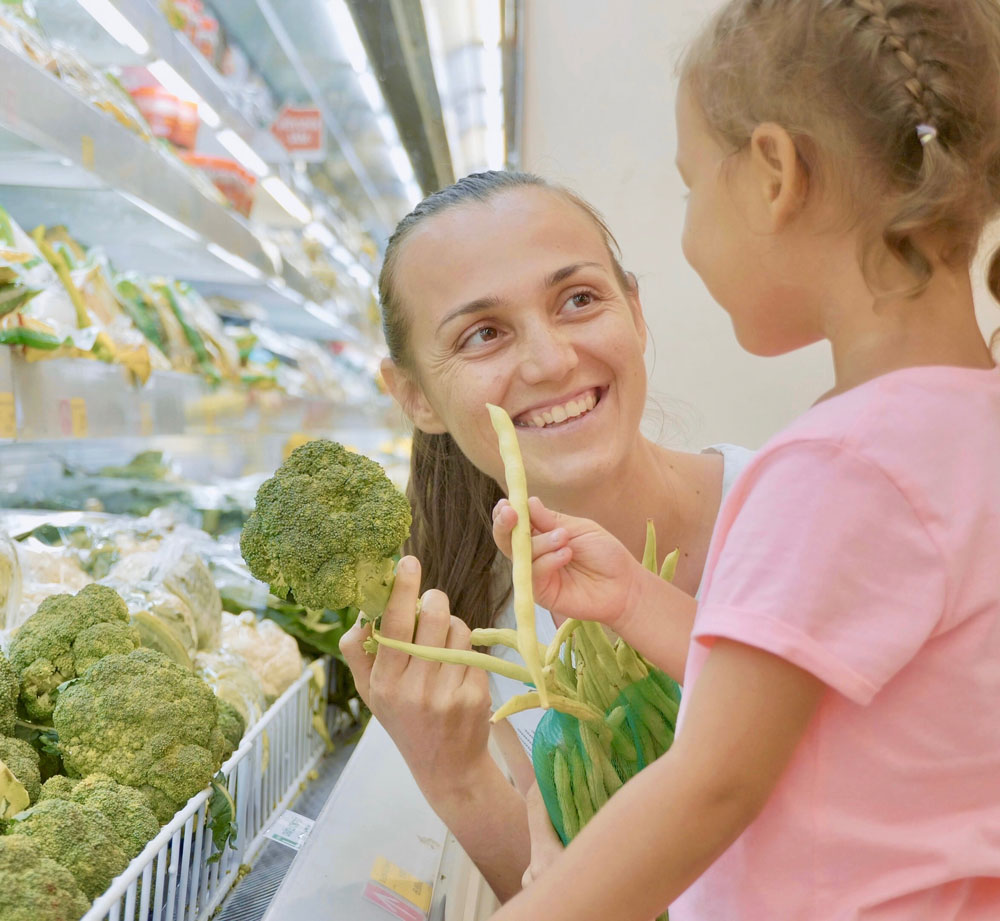
Young girl are smiling at each other in a grocery store

shopping Why Shopping Together Helps

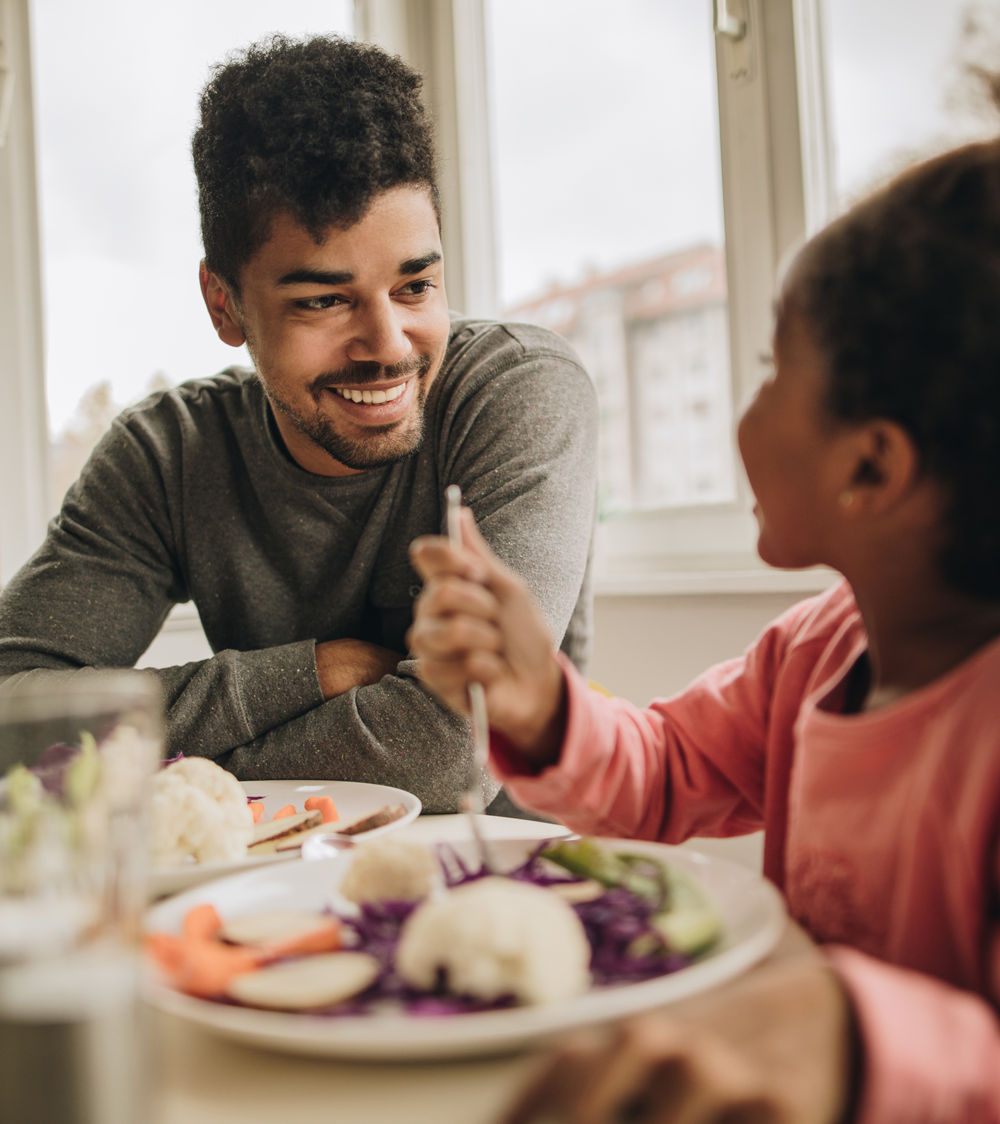
When kids are part of food choices, food feels less scary.

Shopping together helps kids:

Let Kids Help (Even Little Ones!)

Kids of all ages can help in simple ways at the grocery store. Letting them help and make choices at the grocery store helps them feel proud and more open to tasting new foods.

Toddlers and preschoolers can:
school-age kids can:
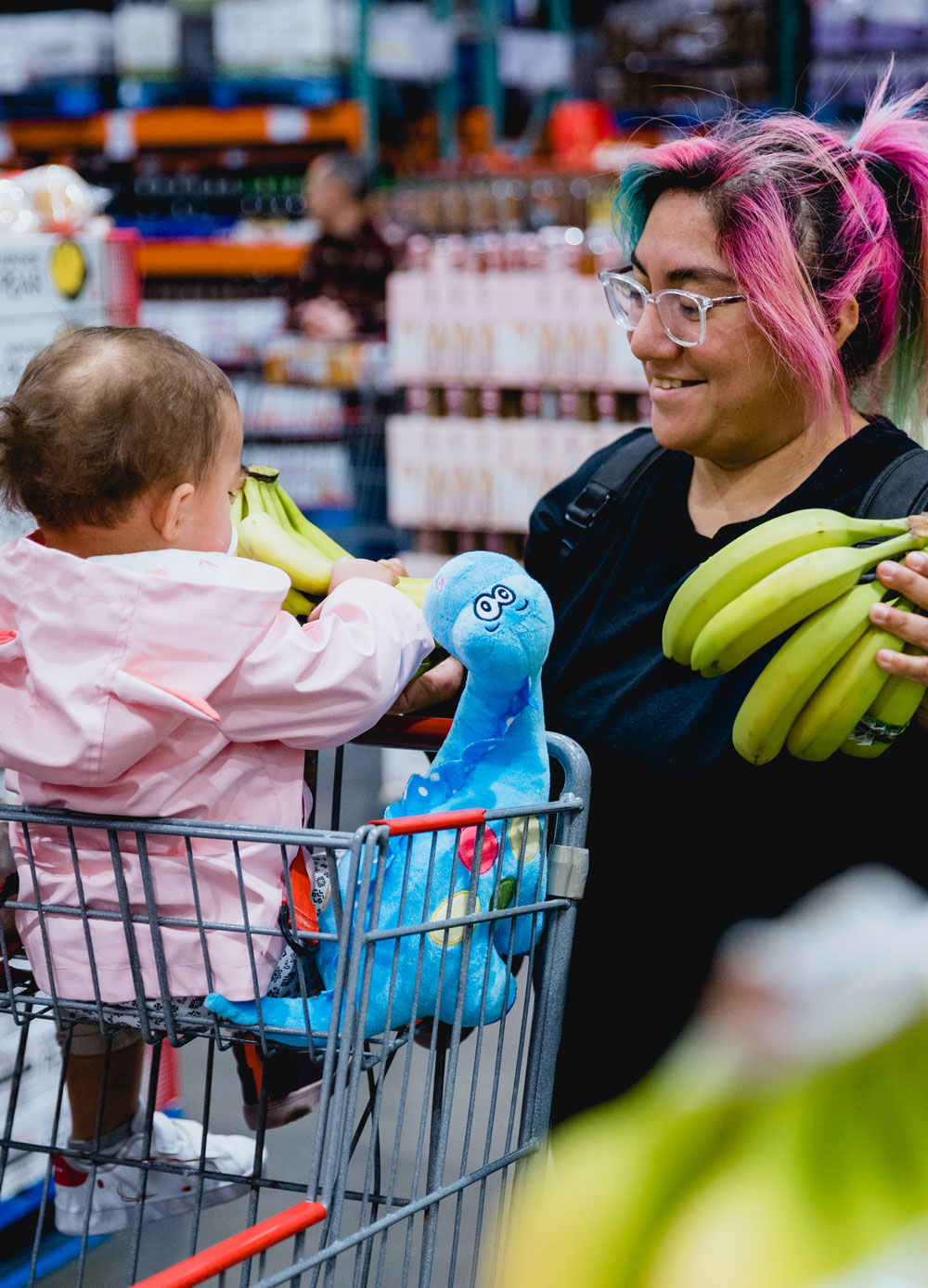
smiles at a baby in a shopping cart, both holding bananas

Explore Make WIC Foods Fun To Explore

Turn shopping into a learning game. This helps remove pressure and keeps things fun and positive.

TRY THIS:

Tip!

Remember, kids don’t have to eat everything right away. Just seeing and exploring foods is a great first step.

You can say:
“We don’t have to eat it today, let’s just learn about it.”

Baby Blues Offer Simple Choices

Instead of asking, “What do you want?” try offering between two nutritious choices. This allows you to still guide the options, while your kids feel in control and empowered to decide.

EXAMPLES:

BabyBlues calander Keep Expectations Low

Trying a new food does not always mean loving it right away.

SUCCESS CAN LOOK LIKE:

All of these are wins! Food acceptance takes time.

Stress Matters Talk About Foods in a Positive Way

The words we use matter. Calm, friendly words help kids feel safe.

Try saying:
Avoid pressure like:
Bring the Store Experience Home

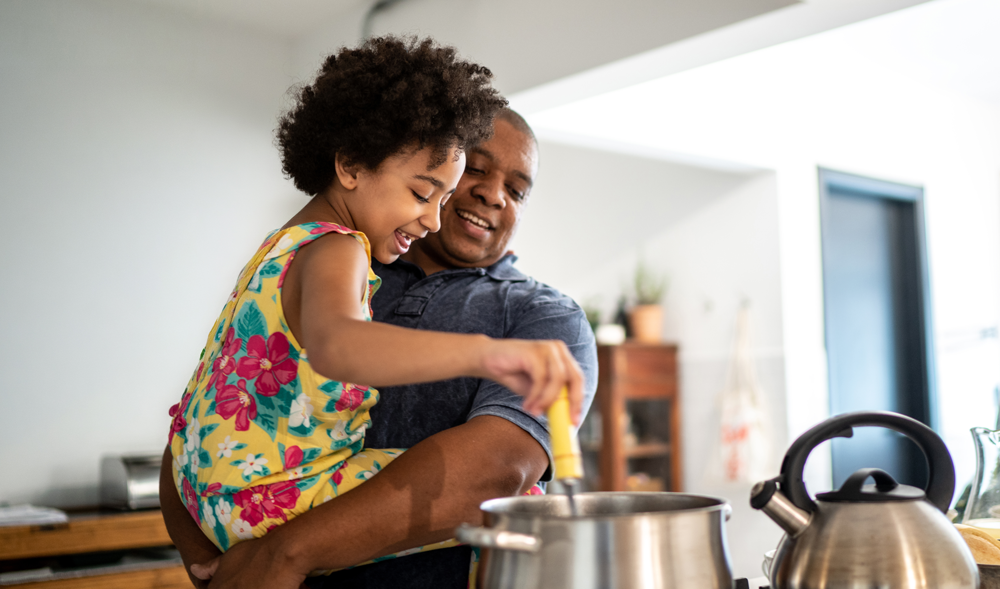
When kids help choose foods at the grocery store, involve them when it’s time to prepare those foods at home too. Kids are more likely to try foods they helped pick and prepare.

KIDS CAN HELP:

Bring the Store Experience Home
Shopping with kids is not about perfect
Stress Matters The Big Picture

Shopping with kids is not about perfect meals. It’s about building trust with food. Over time, these small moments help kids feel comfortable trying new foods.

And remember – you are your child’s best teacher! They learn by watching, listening, and mimicking what you do. Every trip to the store is a chance to learn, explore, and grow together.

REFERENCES:

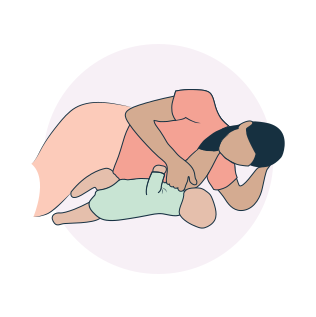
Side-Lying Hold

  1. For the right breast, lie on your right side with your baby facing you.
  2. Pull your baby close. Your baby’s mouth should be level with your nipple.
  3. In this position, you can cradle your baby’s back with your left arm and support yourself with your right arm and/or pillows.
  4. Keep loose clothing and bedding away from your baby.
  5. Reverse for the left breast.

This hold is useful when:

Cross-Cradle Hold

  1. For the right breast, use your left arm to hold your baby’s head at your right breast and baby’s body toward your left side. A pillow across your lap can help support your left arm.
  2. Gently place your left hand behind your baby’s ears and neck, with your thumb and index finger behind each ear and your palm between baby’s shoulder blades. Turn your baby’s body toward yours so your tummies are touching.
  3. Hold your breast as if you are squeezing a sandwich. To protect your back, avoid leaning down to your baby. Instead, bring your baby to you.
  4. As your baby’s mouth opens, push gently with your left palm on baby’s head to help them latch on. Make sure you keep your fingers out of the way.
  5. Reverse for the left breast.

This hold is useful when:

Clutch or “Football” Hold

  1. For the right breast, hold your baby level, facing up, at your right side.
  2. Put your baby’s head near your right nipple and support their back and legs under your right arm.
  3. Hold the base of your baby’s head with your right palm. A pillow underneath your right arm can help support your baby’s weight.
  4. To protect your back, avoid leaning down to your baby. Bring baby to you instead.
  5. Reverse for the left breast.

This hold is useful when:

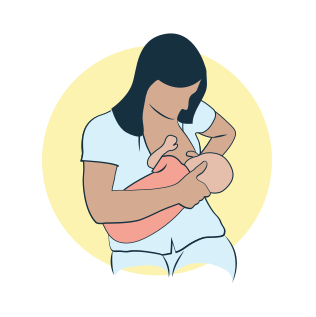
Cradle Hold

  1. For the right breast, cradle your baby with your right arm. Your baby will be on their left side across your lap, facing you at nipple level.
  2. Your baby’s head will rest on your right forearm with your baby’s back along your inner arm and palm.
  3. Turn your baby’s tummy toward your tummy. Your left hand is free to support your breast, if needed. Pillows can help support your arm and elbow.
  4. To protect your back, avoid leaning down to your baby. Instead, bring your baby to you.
  5. Reverse for the left breast.

This hold is useful when:

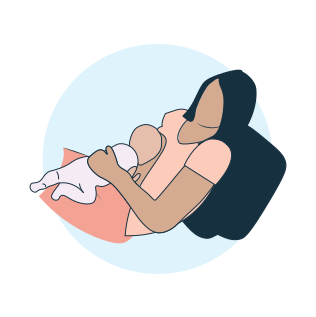
Laid-Back Hold

  1. Lean back on a pillow with your baby’s tummy touching yours and their head at breast level. Some moms find that sitting up nearly straight works well. Others prefer to lean back and lie almost flat.
  2. You can place your baby’s cheek near your breast, or you may want to use one hand to hold your breast near your baby. It’s up to you and what you think feels best.
  3. Your baby will naturally find your nipple, latch, and begin to suckle.

This hold is useful when: