Fresh & Easy Spring Snacks for Toddlers

Fresh & Easy Spring Snacks for Toddlers

May 6, 2026 Recipes

meal plate icon Fresh & Easy Springtime Snacks for Toddlers

Spring is a great time to enjoy fresh, colorful foods. Many fruits and vegetables are in season, and they make perfect snacks for toddlers. Healthy snacks help give little ones energy to play, grow, and learn.

Toddlers usually need 2-3 snacks each day in addition to meals. Try to offer snacks that include fruits, vegetables, whole grains, or protein foods. These foods help your child stay full and support healthy growth.

Here are a few simple springtime snack ideas to try.

Strawberry fruit outline Strawberry Yogurt Parfait

Strawberries are sweet, colorful, and full of vitamin C. Pairing them with yogurt adds protein and calcium for growing bodies.

What you need:
How to make it:

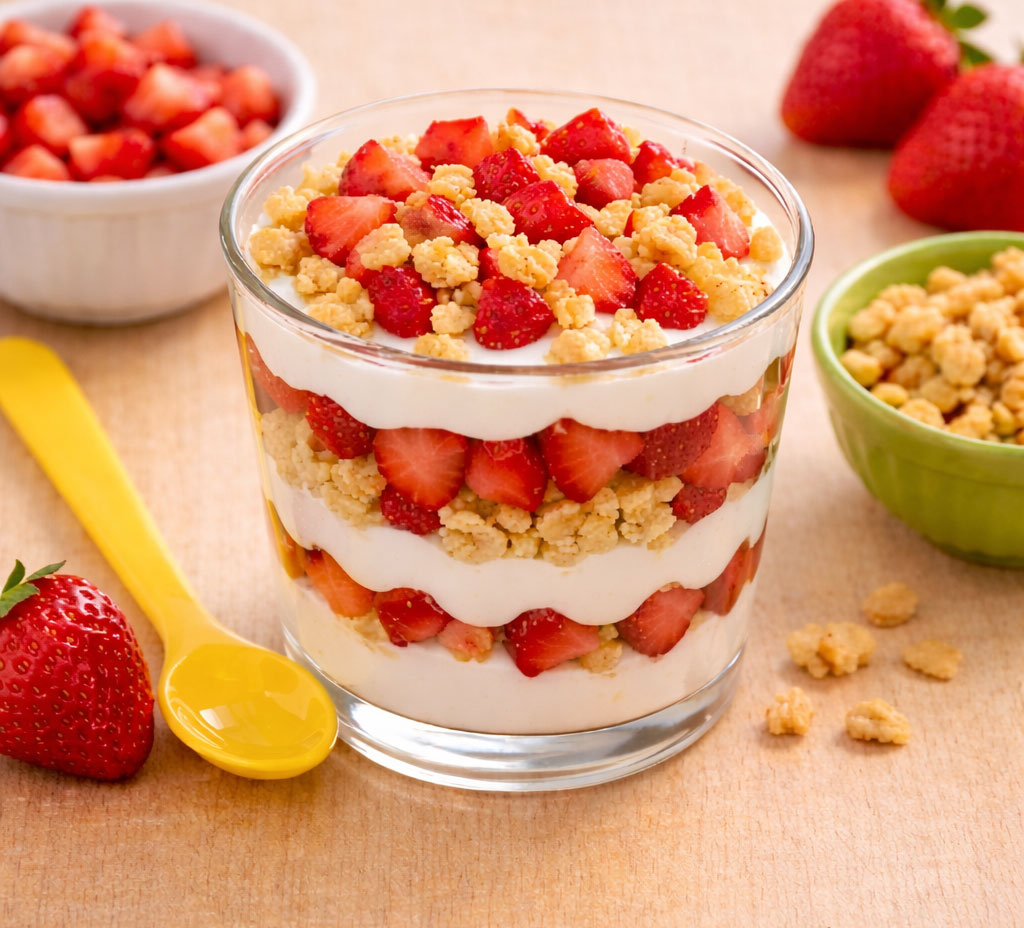
Layer yogurt, strawberries, and cereal in a small cup or bowl. Repeat the layers if you like.

Tip!

If your toddler is younger, make sure the strawberries are chopped into small pieces.

Strawberry yogurt parfait in glass cup
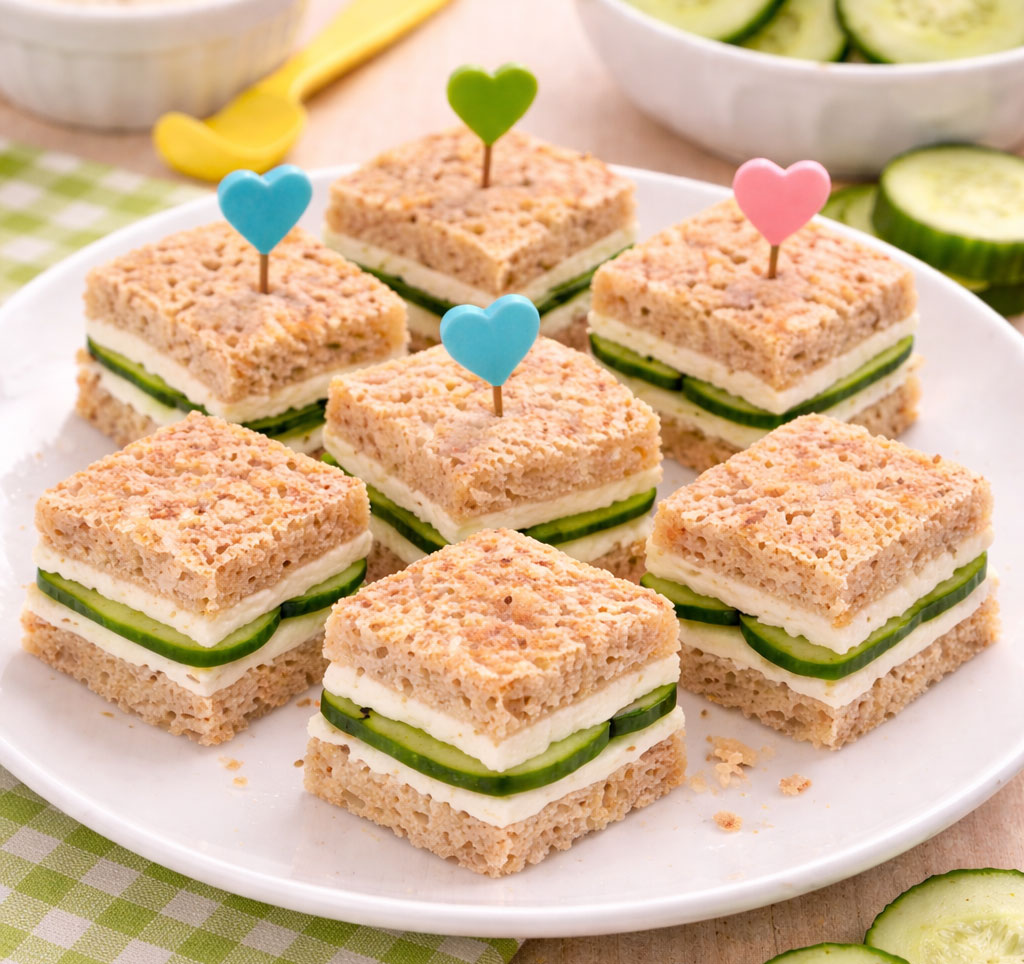
Mini cucumber cream cheese sandwiches

Cucumber slices Cucumber and Cream Cheese Sandwich Bites

Cucumbers are crisp, refreshing, and easy for toddlers to eat.

What you need:
How to make it:

Spread cream cheese on the bread. Add cucumber slices. Cut the sandwich into small squares or triangles.

oat bites Banana Berry Oat Bites

These soft bites are naturally sweet and easy for toddlers to hold.

What you need:
How to make it:

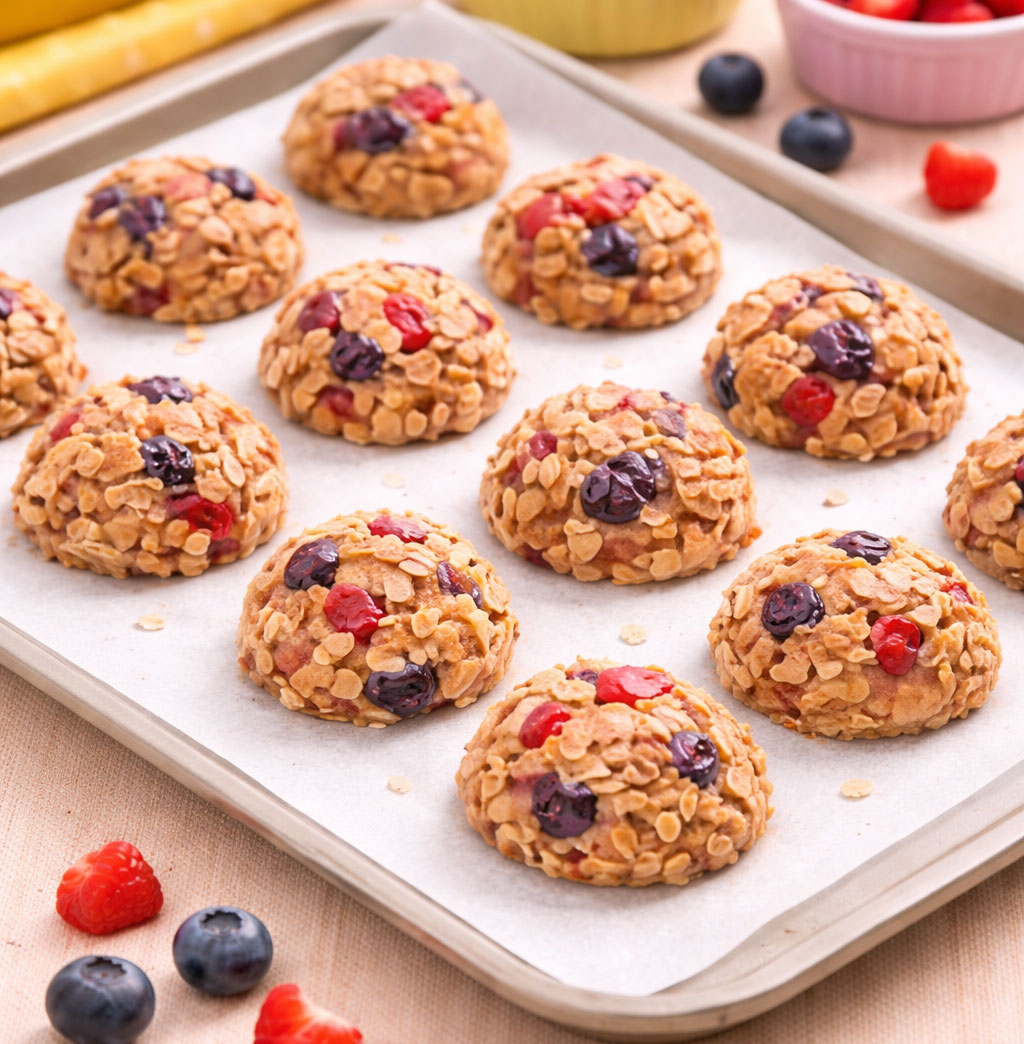
Mix all ingredients together in a bowl. Scoop small spoonfuls onto a baking sheet and bake at 350°F for about 10-12 minutes, until set. Let cool before serving.

Oatmeal berry cookies on baking tray
Plate with cucumbers, tomatoes, carrots and hummus

carrots mini Mini Veggie Plate

Toddlers enjoy snacks they can pick up and explore. Offering a variety of colors makes the snack more fun.

Try serving:

Blue Blub Tips for Toddler Snack Time

Spring snacks can be simple, colorful, and nutritious. Enjoy trying new foods together as your toddler grows!

Toddlers may not eat the same amount every day.
That is normal.

Offering a variety of healthy foods helps them learn new tastes and textures.

Remember!
Mother Smiling Toddler Eating Cucumber

REFERENCES:

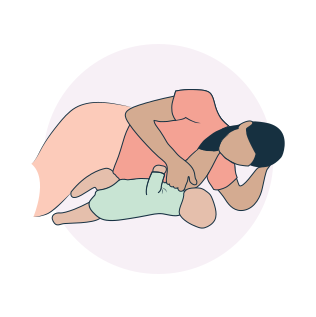
Side-Lying Hold

  1. For the right breast, lie on your right side with your baby facing you.
  2. Pull your baby close. Your baby’s mouth should be level with your nipple.
  3. In this position, you can cradle your baby’s back with your left arm and support yourself with your right arm and/or pillows.
  4. Keep loose clothing and bedding away from your baby.
  5. Reverse for the left breast.

This hold is useful when:

Cross-Cradle Hold

  1. For the right breast, use your left arm to hold your baby’s head at your right breast and baby’s body toward your left side. A pillow across your lap can help support your left arm.
  2. Gently place your left hand behind your baby’s ears and neck, with your thumb and index finger behind each ear and your palm between baby’s shoulder blades. Turn your baby’s body toward yours so your tummies are touching.
  3. Hold your breast as if you are squeezing a sandwich. To protect your back, avoid leaning down to your baby. Instead, bring your baby to you.
  4. As your baby’s mouth opens, push gently with your left palm on baby’s head to help them latch on. Make sure you keep your fingers out of the way.
  5. Reverse for the left breast.

This hold is useful when:

Clutch or “Football” Hold

  1. For the right breast, hold your baby level, facing up, at your right side.
  2. Put your baby’s head near your right nipple and support their back and legs under your right arm.
  3. Hold the base of your baby’s head with your right palm. A pillow underneath your right arm can help support your baby’s weight.
  4. To protect your back, avoid leaning down to your baby. Bring baby to you instead.
  5. Reverse for the left breast.

This hold is useful when:

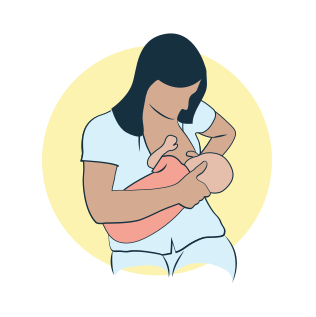
Cradle Hold

  1. For the right breast, cradle your baby with your right arm. Your baby will be on their left side across your lap, facing you at nipple level.
  2. Your baby’s head will rest on your right forearm with your baby’s back along your inner arm and palm.
  3. Turn your baby’s tummy toward your tummy. Your left hand is free to support your breast, if needed. Pillows can help support your arm and elbow.
  4. To protect your back, avoid leaning down to your baby. Instead, bring your baby to you.
  5. Reverse for the left breast.

This hold is useful when:

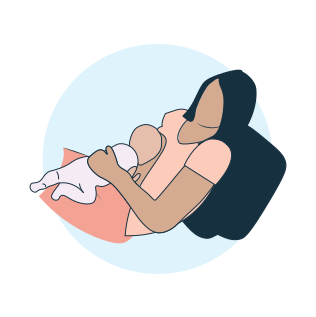
Laid-Back Hold

  1. Lean back on a pillow with your baby’s tummy touching yours and their head at breast level. Some moms find that sitting up nearly straight works well. Others prefer to lean back and lie almost flat.
  2. You can place your baby’s cheek near your breast, or you may want to use one hand to hold your breast near your baby. It’s up to you and what you think feels best.
  3. Your baby will naturally find your nipple, latch, and begin to suckle.

This hold is useful when: