Pumping Basics & Safe Breast Milk Storage Guide

Pumping Basics & Safe Breast Milk Storage Guide

April 29, 2026 Women

bottle storage Pumping Basics for New Parents and Safe Milk Storage

Welcoming a new baby comes with lots of learning moments, and for many families, pumping breast milk is one of them. Whether you’re pumping by choice, returning to work, managing a medical need, or building a milk stash, pumping can help you continue providing your baby with your breast milk.

Here’s what you need to know to feel confident and supported.

[videosharebutton url="https://vimeo.com/1161565369?fl=pl&fe=ti"]
Flower top shape
Flower Bottom shape

bottle storage Pumping Basics for New Parents and Safe Milk Storage

Welcoming a new baby comes with lots of learning moments, and for many families, pumping breast milk is one of them. Whether you’re pumping by choice, returning to work, managing a medical need, or building a milk stash, pumping can help you continue providing your baby with your breast milk.

Here’s what you need to know to feel confident and supported.

question icon Why Pumping Matters

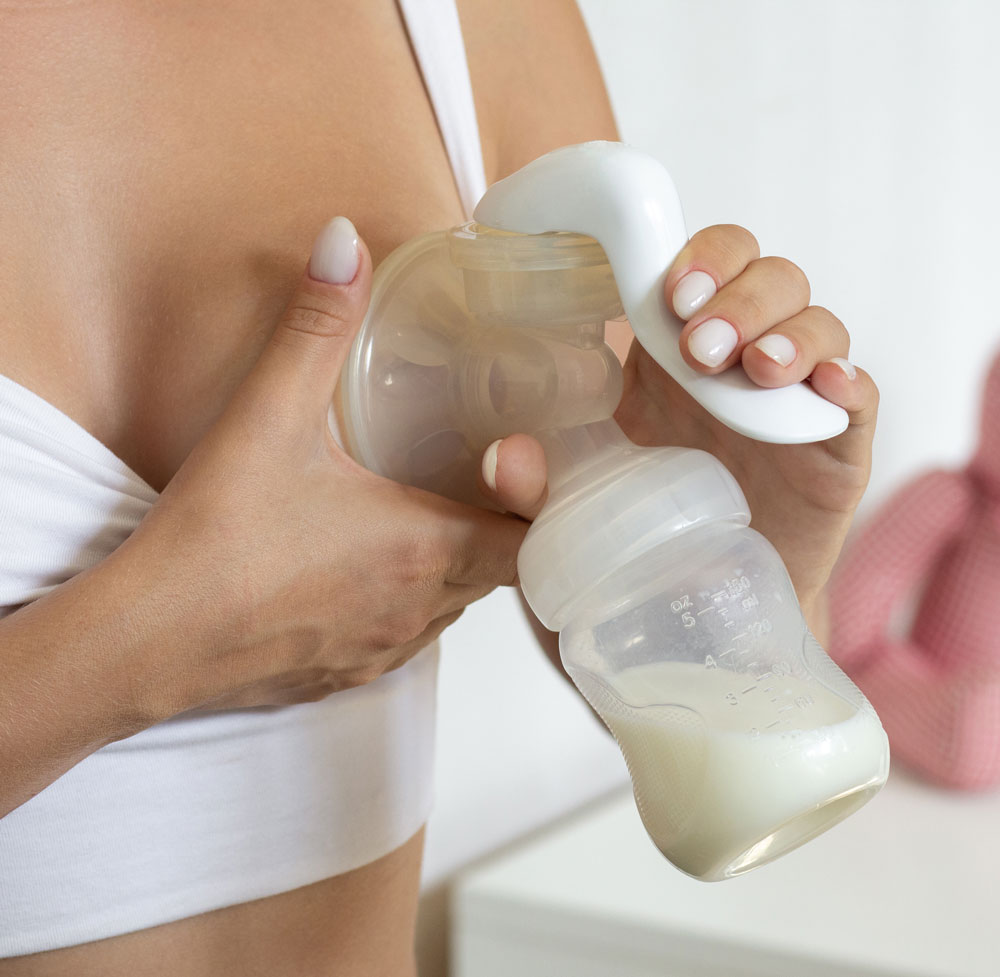
Pumping helps maintain your milk supply and ensures your baby continues to receive breast milk even when you’re apart.

Keep in mind it’s normal for milk output to vary from session to session. Over time, your goal is to pump enough to meet what your baby is drinking.

Tip!

Pump whenever your baby gets a bottle. This signals your body to keep making the amount of milk your baby needs.

electric pump Choosing the Right Pump

If you’re pumping regularly, a hospital-grade or primary electric pump is often the most effective option. These pumps are designed to fully stimulate and empty the breasts.

Wearable pumps can be convenient and discreet, but may not work as well for everyone. If you notice low output or discomfort, it may help to switch to a primary pump.

If you receive WIC benefits, your local WIC office may be able to help with pump options.

sizing key Flange Sizing: Comfort Is Key

The flange is the part of the pump that fits over your nipple.

The correct size is important for:

To find your size:

Pumping should not hurt. A little tugging sensation is normal – pain is not.

clock How Long Should You Pump?

Most parents pump for about 15–20 minutes per session. Some sessions may be shorter. Others may take a little longer. Try to pump until milk flow slows and your breasts feel softer.

Consistency matters more than exact timing.

clean hand Cleaning Pump Parts

Keeping pump parts clean helps protect your baby from germs and keeps milk safe.

After each pumping session:

Wash all pump parts that touch milk with warm, soapy water
Rinse well
Let them air dry completely on a clean surface

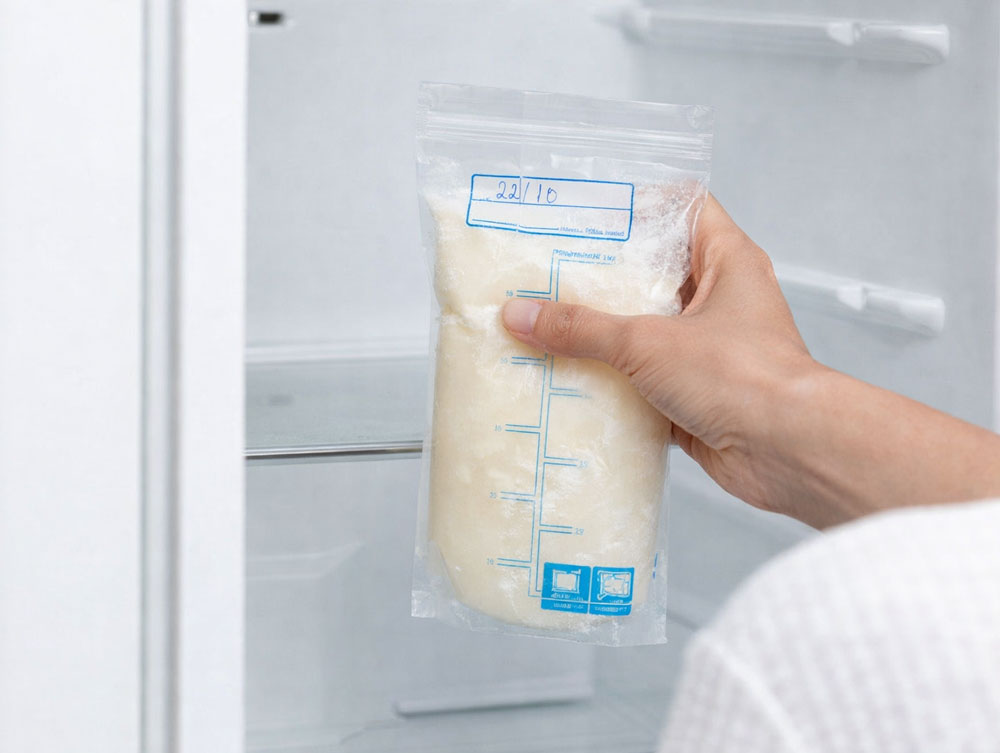
bottle safe Safe Milk Storage: The Rule of 4

Breast milk storage doesn’t have to be complicated.

Just remember the Rule of 4:

Breast milk can technically be stored in the freezer for up to 12 months, but using it within 4 months is best for quality.

Don’t Forget!

frozen milk Thawing Frozen Milk

To thaw frozen milk safely:

healthy people You’re Not Alone

Pumping can feel overwhelming at first, but you don’t have to figure it out by yourself.

If you have questions or need support, reach out to your local WIC office. WIC peer counselors and lactation support staff are there to help you troubleshoot pumps, check flange fit, and answer milk storage questions.

You’re doing important work and every ounce counts!

Side-Lying Hold

  1. For the right breast, lie on your right side with your baby facing you.
  2. Pull your baby close. Your baby’s mouth should be level with your nipple.
  3. In this position, you can cradle your baby’s back with your left arm and support yourself with your right arm and/or pillows.
  4. Keep loose clothing and bedding away from your baby.
  5. Reverse for the left breast.

This hold is useful when:

Cross-Cradle Hold

  1. For the right breast, use your left arm to hold your baby’s head at your right breast and baby’s body toward your left side. A pillow across your lap can help support your left arm.
  2. Gently place your left hand behind your baby’s ears and neck, with your thumb and index finger behind each ear and your palm between baby’s shoulder blades. Turn your baby’s body toward yours so your tummies are touching.
  3. Hold your breast as if you are squeezing a sandwich. To protect your back, avoid leaning down to your baby. Instead, bring your baby to you.
  4. As your baby’s mouth opens, push gently with your left palm on baby’s head to help them latch on. Make sure you keep your fingers out of the way.
  5. Reverse for the left breast.

This hold is useful when:

Clutch or “Football” Hold

  1. For the right breast, hold your baby level, facing up, at your right side.
  2. Put your baby’s head near your right nipple and support their back and legs under your right arm.
  3. Hold the base of your baby’s head with your right palm. A pillow underneath your right arm can help support your baby’s weight.
  4. To protect your back, avoid leaning down to your baby. Bring baby to you instead.
  5. Reverse for the left breast.

This hold is useful when:

Cradle Hold

  1. For the right breast, cradle your baby with your right arm. Your baby will be on their left side across your lap, facing you at nipple level.
  2. Your baby’s head will rest on your right forearm with your baby’s back along your inner arm and palm.
  3. Turn your baby’s tummy toward your tummy. Your left hand is free to support your breast, if needed. Pillows can help support your arm and elbow.
  4. To protect your back, avoid leaning down to your baby. Instead, bring your baby to you.
  5. Reverse for the left breast.

This hold is useful when:

Laid-Back Hold

  1. Lean back on a pillow with your baby’s tummy touching yours and their head at breast level. Some moms find that sitting up nearly straight works well. Others prefer to lean back and lie almost flat.
  2. You can place your baby’s cheek near your breast, or you may want to use one hand to hold your breast near your baby. It’s up to you and what you think feels best.
  3. Your baby will naturally find your nipple, latch, and begin to suckle.

This hold is useful when: