Mother and child walking outside by apartment building

Simple Child Safety Tips Every Parent Should Know

July 15, 2026 Children

simple note Simple Ways to Help Keep Your Child Safe
Keeping young children safe can feel like a full-time job. Babies and toddlers are naturally curious. They love to climb, explore, grab, and taste everything around them. While bumps and bruises are a normal part of growing up, many serious injuries can be prevented with a few simple safety steps.

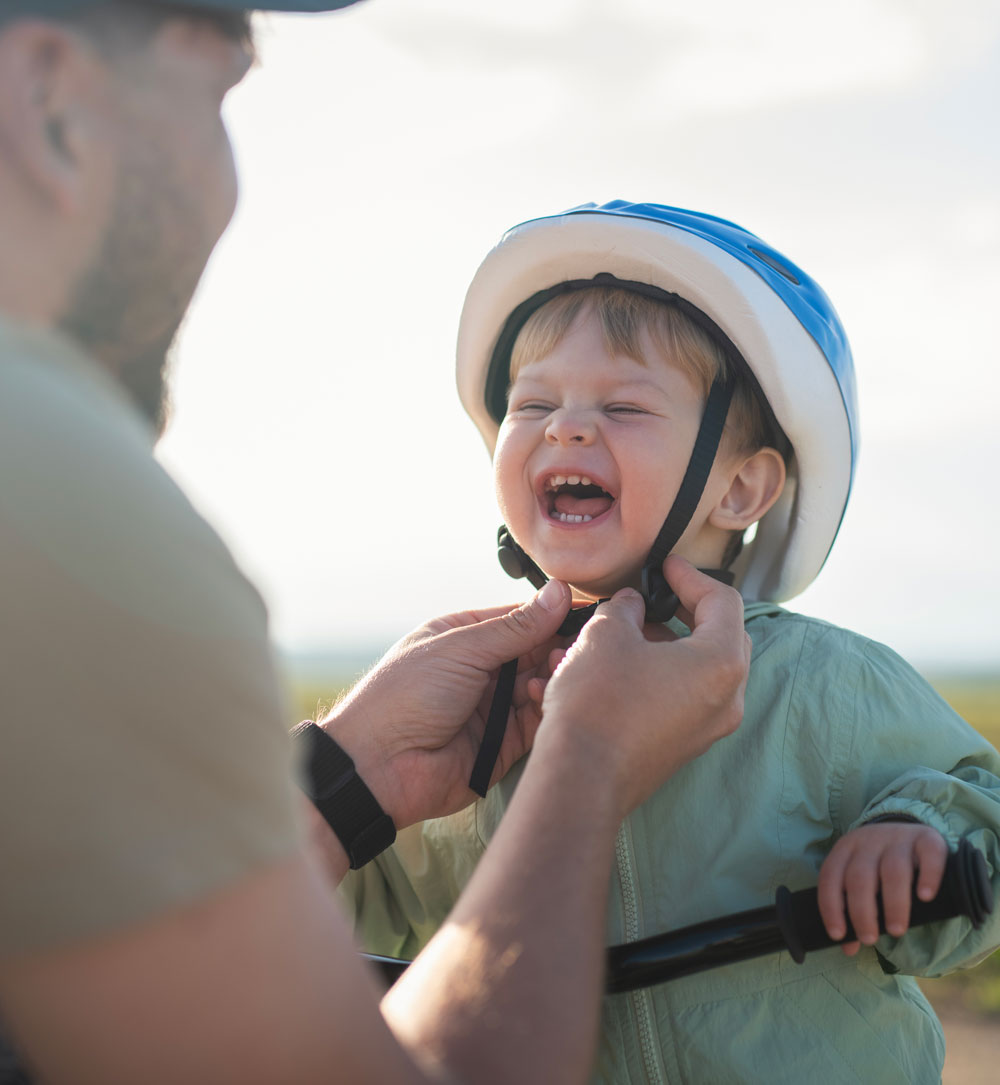
Child smiling while wearing a bike helmet

baby Why Child Safety Matters

Young children rely on adults to help keep them safe while they learn about the world around them. According to the Centers for Disease Control and Prevention (CDC), injuries are one of the leading causes of harm and death for children and teens. Many injuries happen at home, during play, or while riding in a vehicle.

This doesn’t mean you have to do everything perfectly.
Small changes around your home and daily routines can make a big difference.

Remember!

Baby Crib Create a Safe Sleep Space for Your Baby

Safe sleep practices help reduce the risk of sleep-related infant deaths. Keep your baby’s sleep area smoke-free and avoid letting them sleep on couches, chairs, or adult beds. Soft furniture, loose blankets, and pillows can increase the risk of suffocation.
Your baby sleeps safest:

It’s also safest for your baby to sleep in the same room as you, but on a separate sleep surface just for them (their crib or bassinet). Room sharing can help keep your baby close while reducing the risk of sleep-related dangers linked to bedsharing.

Baby sleeping peacefully in crib wearing polka-dot onesie
For every nap and nighttime sleep, place your baby alone, on their back, in a safe sleep space.
Remember!
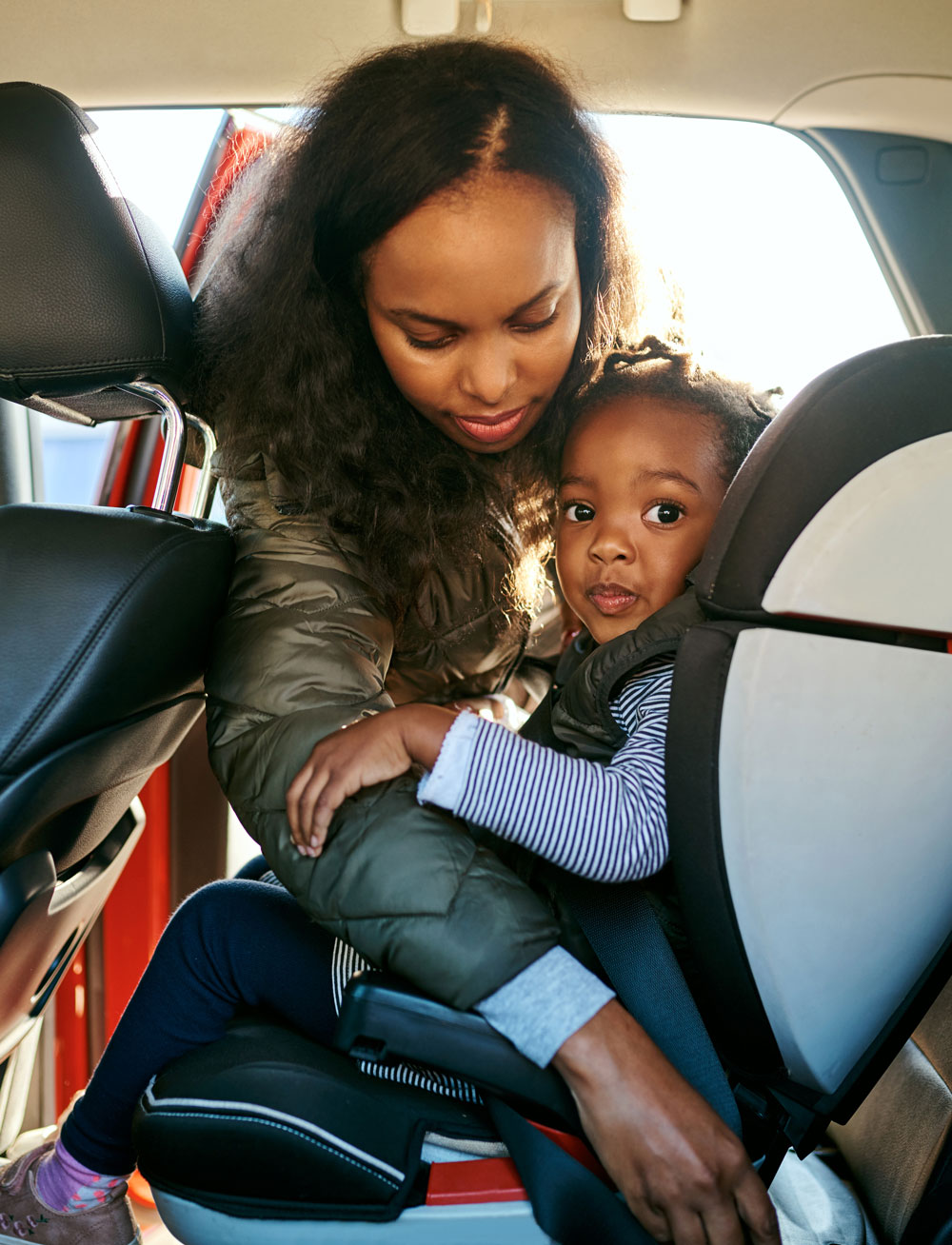
Mother securing child in car seat

 Car Safety Car Safety – Always!

One of the best ways to protect your child is by using the right car seat every time you travel. The CDC reports that proper car seat use greatly lowers the risk of injury in a crash.
Here are a few important reminders:

If you’re unsure whether your car seat is installed correctly, many communities offer free car seat safety checks.

Safe Kids Worldwide can connect you to a child passenger safety (CPS) technician in your area who can check to make sure your car seat is installed correctly.

Did you know?

milk Watch Water Closely

Drowning is the single-leading cause of death among children ages 1-4 years. Children can drown quickly and quietly, even in small amounts of water. Constant supervision is one of the most important ways to prevent drowning.

Help keep your child safe around water by:
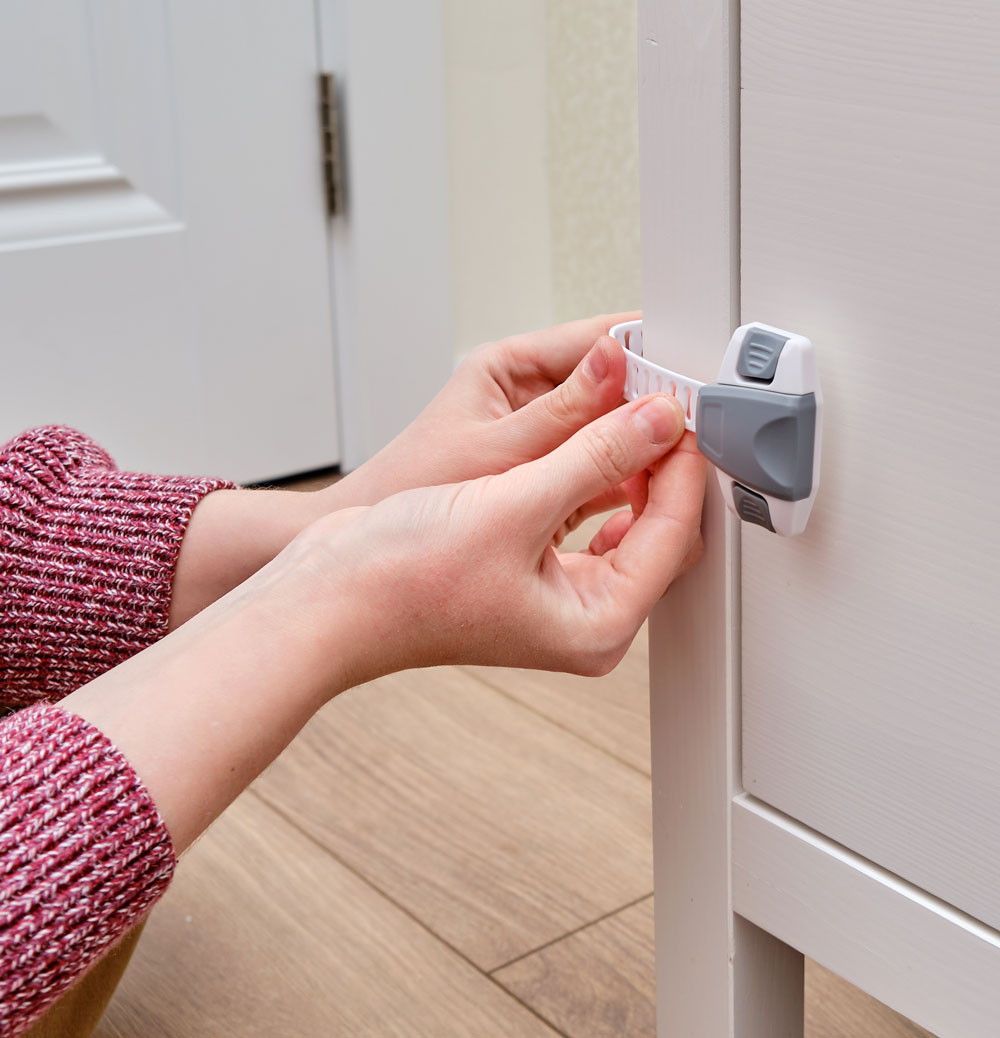
Hands securing a child safety lock on cabinet

lock baby Store Medicines and Cleaning Products Safely

Young children often explore by putting things in their mouths. Safely storing medications and other harmful products can help protect your child from accidental poisoning.

You can also help by:

two Matters Prevent Falls and Bumps at Home

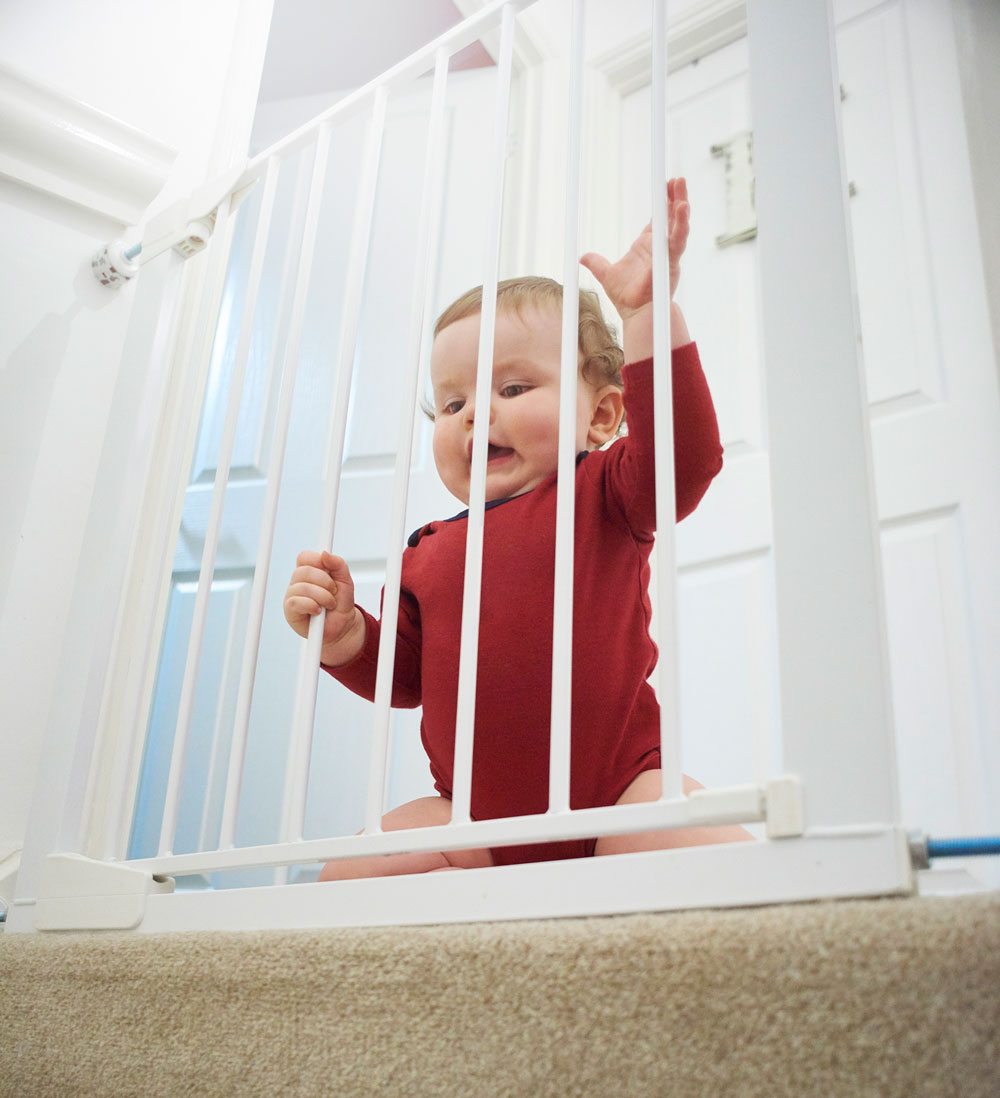
Falls are common for young children, especially toddlers learning to walk and climb.

To help prevent serious injuries:
Baby in red onesie behind white safety gate

healthy hand Teach Safety Little by Little

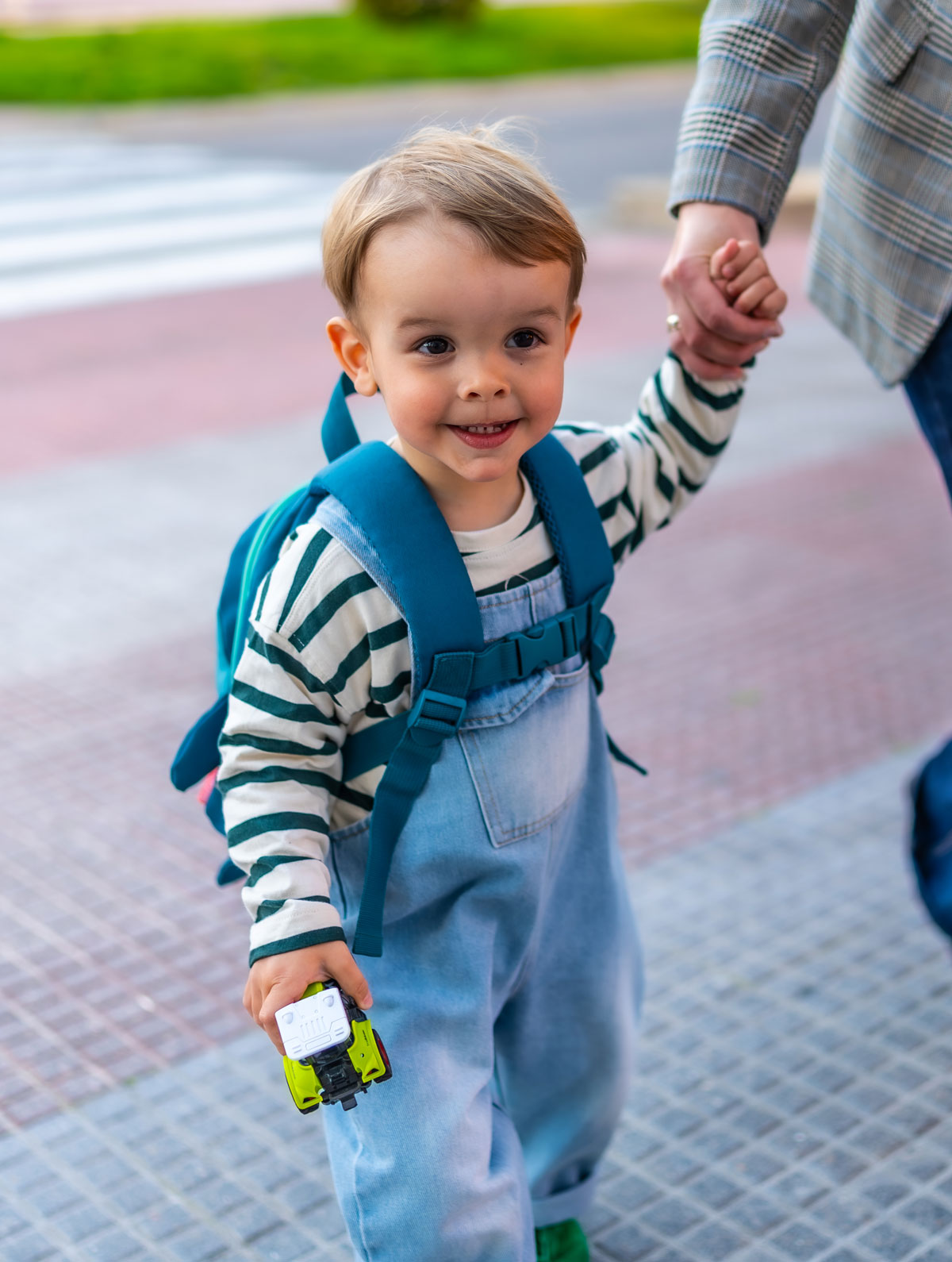
Even young children can begin learning simple safety habits. They learn best by watching you! Modeling safe behaviors helps your children build healthy habits over time.

Teach your child how and why it’s important to:

Toddler holding parents hand walking outdoors smiling

Woman and child with health checkmark You’re Doing More Than You Think

No home is ever completely accident-proof, and no parent can prevent every scrape or fall. What matters most is creating a safe, loving environment where children can learn, grow, and explore. Taking a few small steps today can help protect your child tomorrow.

REFERENCES:

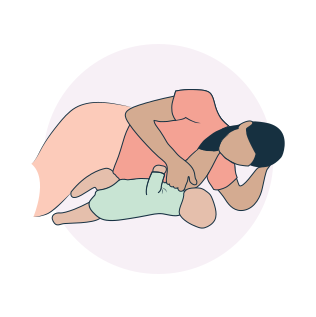
Side-Lying Hold

  1. For the right breast, lie on your right side with your baby facing you.
  2. Pull your baby close. Your baby’s mouth should be level with your nipple.
  3. In this position, you can cradle your baby’s back with your left arm and support yourself with your right arm and/or pillows.
  4. Keep loose clothing and bedding away from your baby.
  5. Reverse for the left breast.

This hold is useful when:

Cross-Cradle Hold

  1. For the right breast, use your left arm to hold your baby’s head at your right breast and baby’s body toward your left side. A pillow across your lap can help support your left arm.
  2. Gently place your left hand behind your baby’s ears and neck, with your thumb and index finger behind each ear and your palm between baby’s shoulder blades. Turn your baby’s body toward yours so your tummies are touching.
  3. Hold your breast as if you are squeezing a sandwich. To protect your back, avoid leaning down to your baby. Instead, bring your baby to you.
  4. As your baby’s mouth opens, push gently with your left palm on baby’s head to help them latch on. Make sure you keep your fingers out of the way.
  5. Reverse for the left breast.

This hold is useful when:

Clutch or “Football” Hold

  1. For the right breast, hold your baby level, facing up, at your right side.
  2. Put your baby’s head near your right nipple and support their back and legs under your right arm.
  3. Hold the base of your baby’s head with your right palm. A pillow underneath your right arm can help support your baby’s weight.
  4. To protect your back, avoid leaning down to your baby. Bring baby to you instead.
  5. Reverse for the left breast.

This hold is useful when:

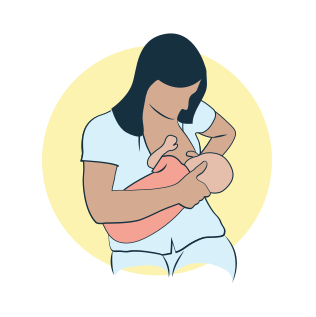
Cradle Hold

  1. For the right breast, cradle your baby with your right arm. Your baby will be on their left side across your lap, facing you at nipple level.
  2. Your baby’s head will rest on your right forearm with your baby’s back along your inner arm and palm.
  3. Turn your baby’s tummy toward your tummy. Your left hand is free to support your breast, if needed. Pillows can help support your arm and elbow.
  4. To protect your back, avoid leaning down to your baby. Instead, bring your baby to you.
  5. Reverse for the left breast.

This hold is useful when:

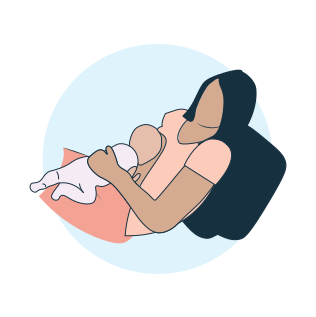
Laid-Back Hold

  1. Lean back on a pillow with your baby’s tummy touching yours and their head at breast level. Some moms find that sitting up nearly straight works well. Others prefer to lean back and lie almost flat.
  2. You can place your baby’s cheek near your breast, or you may want to use one hand to hold your breast near your baby. It’s up to you and what you think feels best.
  3. Your baby will naturally find your nipple, latch, and begin to suckle.

This hold is useful when: