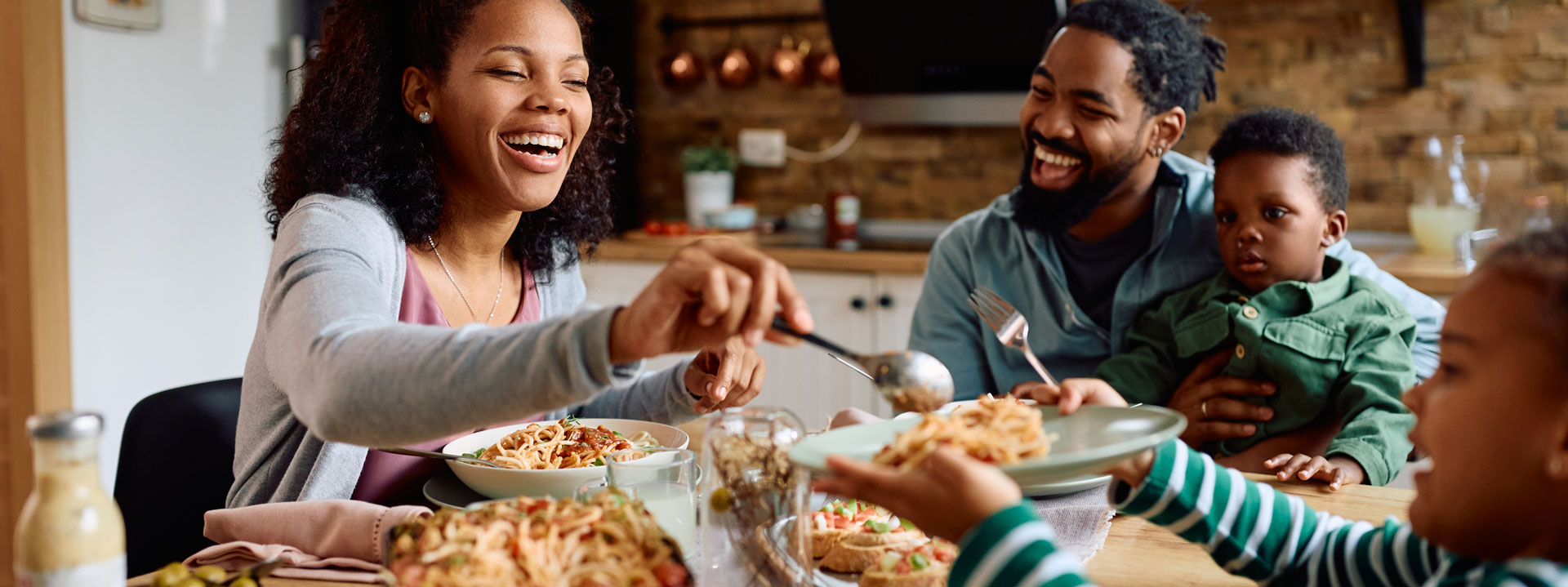
Family happily sharing a meal together in kitchen

The Benefits of Family Meals for Kids and Parents

July 22, 2026 General /Family

fish Meal The Benefits of Eating Meals Together as a Family

Think about your family meals for a moment. How often does your family sit down and eat together? Is the TV on? Is everyone rushing to finish and move on to the next activity?

Life can often feel very busy. Work, school, sports, appointments, and screens can make it hard to slow down and spend time together. But even simple family meals can make a big difference.

Family meals do not have to be fancy or expensive. What matters most is spending time together. Eating together as a family can help support healthy habits, stronger relationships, and better communication.

Tip!
Mother feeding her toddler at a table full of food

Baby feed bottle Physical Health Benefits

Families who eat together often may:

people heart Emotional and Social Benefits

Family meals are also a great time to connect. Eating together can help children and teens:

Family meals also give parents and caregivers a chance to check in and learn more about what is happening in their children’s lives.

Research shows that children and teens who regularly eat meals with their families may be less likely to feel depressed or take part in risky behaviors.

For younger children, talking during meals can help build language and social skills.

Young boy smiling at the dinner table

Check out these Conversation Starters from the Family Dinner Project for ideas beyond “how was your day?”

Looking for things to talk about?
Mother cooking pasta with two young children

Patterned hand design Family Meals Can Save Money

Cooking and eating at home is often less expensive than eating out or ordering takeout. Even preparing simple meals at home like sandwiches, soup, eggs, or pasta can help families save money while spending time together.

thumb hand Tips for Enjoying Family Meals

Family meals don’t have to happen every night to make a difference. Small changes can help.

Try these simple ideas:

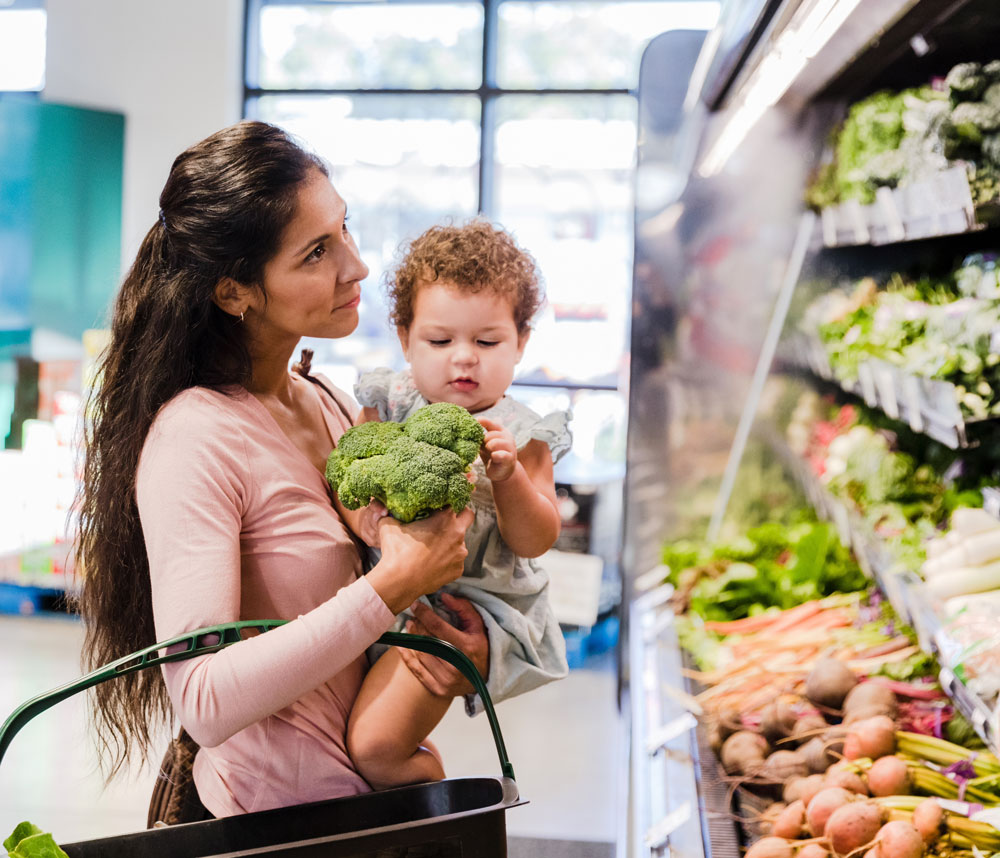
Mother holding baby while grocery shopping with vegetables

brush strokes Start Small

If family meals aren’t part of your routine right now, that’s okay. Start small with one meal together each week and build from there. Even a short meal together can help families feel more connected.

The next time you go grocery shopping, let your children help pick out healthy foods for a family meal. Cooking and eating together can create healthy habits and happy memories that last for years.

REFERENCES:

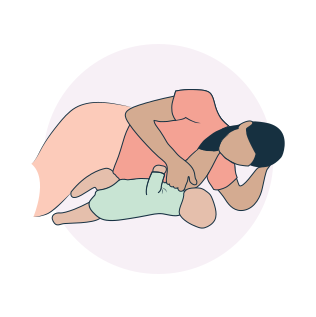
Side-Lying Hold

  1. For the right breast, lie on your right side with your baby facing you.
  2. Pull your baby close. Your baby’s mouth should be level with your nipple.
  3. In this position, you can cradle your baby’s back with your left arm and support yourself with your right arm and/or pillows.
  4. Keep loose clothing and bedding away from your baby.
  5. Reverse for the left breast.

This hold is useful when:

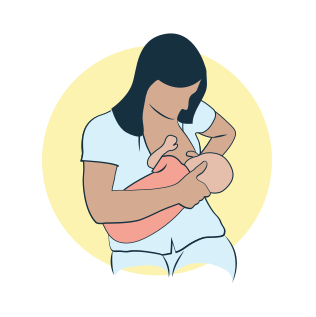
Cross-Cradle Hold

  1. For the right breast, use your left arm to hold your baby’s head at your right breast and baby’s body toward your left side. A pillow across your lap can help support your left arm.
  2. Gently place your left hand behind your baby’s ears and neck, with your thumb and index finger behind each ear and your palm between baby’s shoulder blades. Turn your baby’s body toward yours so your tummies are touching.
  3. Hold your breast as if you are squeezing a sandwich. To protect your back, avoid leaning down to your baby. Instead, bring your baby to you.
  4. As your baby’s mouth opens, push gently with your left palm on baby’s head to help them latch on. Make sure you keep your fingers out of the way.
  5. Reverse for the left breast.

This hold is useful when:

Clutch or “Football” Hold

  1. For the right breast, hold your baby level, facing up, at your right side.
  2. Put your baby’s head near your right nipple and support their back and legs under your right arm.
  3. Hold the base of your baby’s head with your right palm. A pillow underneath your right arm can help support your baby’s weight.
  4. To protect your back, avoid leaning down to your baby. Bring baby to you instead.
  5. Reverse for the left breast.

This hold is useful when:

Cradle Hold

  1. For the right breast, cradle your baby with your right arm. Your baby will be on their left side across your lap, facing you at nipple level.
  2. Your baby’s head will rest on your right forearm with your baby’s back along your inner arm and palm.
  3. Turn your baby’s tummy toward your tummy. Your left hand is free to support your breast, if needed. Pillows can help support your arm and elbow.
  4. To protect your back, avoid leaning down to your baby. Instead, bring your baby to you.
  5. Reverse for the left breast.

This hold is useful when:

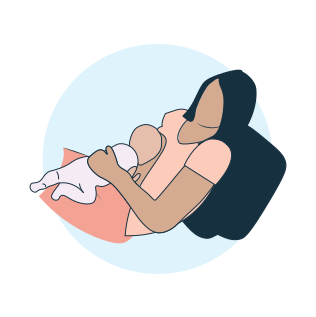
Laid-Back Hold

  1. Lean back on a pillow with your baby’s tummy touching yours and their head at breast level. Some moms find that sitting up nearly straight works well. Others prefer to lean back and lie almost flat.
  2. You can place your baby’s cheek near your breast, or you may want to use one hand to hold your breast near your baby. It’s up to you and what you think feels best.
  3. Your baby will naturally find your nipple, latch, and begin to suckle.

This hold is useful when: