Family gathered around table for breakfast, smiling together

Food, Feelings, and Your Child’s Health | How Nutrition Affects Mood

  • Home
  • Live Well Blog
  • Food, Feelings, and Your Child’s Health | How Nutrition Affects Mood
August 19, 2026 Children

healthybaby Food, Feelings, and Your Child's Health

Have you ever noticed your child seems tired, cranky, or full of energy depending on what they’ve eaten? Food does more than help children grow. It also helps support their mood, learning, and overall health.

The foods your child eats can affect how they feel, think, and play each day. That’s why offering a variety of healthy foods is an important part of helping your child feel their best.

flash How Food Helps the Brain

A child’s brain is growing and learning every day. Just like a car needs fuel to run, the brain needs healthy foods to work well. These foods provide vitamins, minerals, fiber, and other nutrients that help children learn, focus, remember, and stay active.

Foods that help support brain health include:
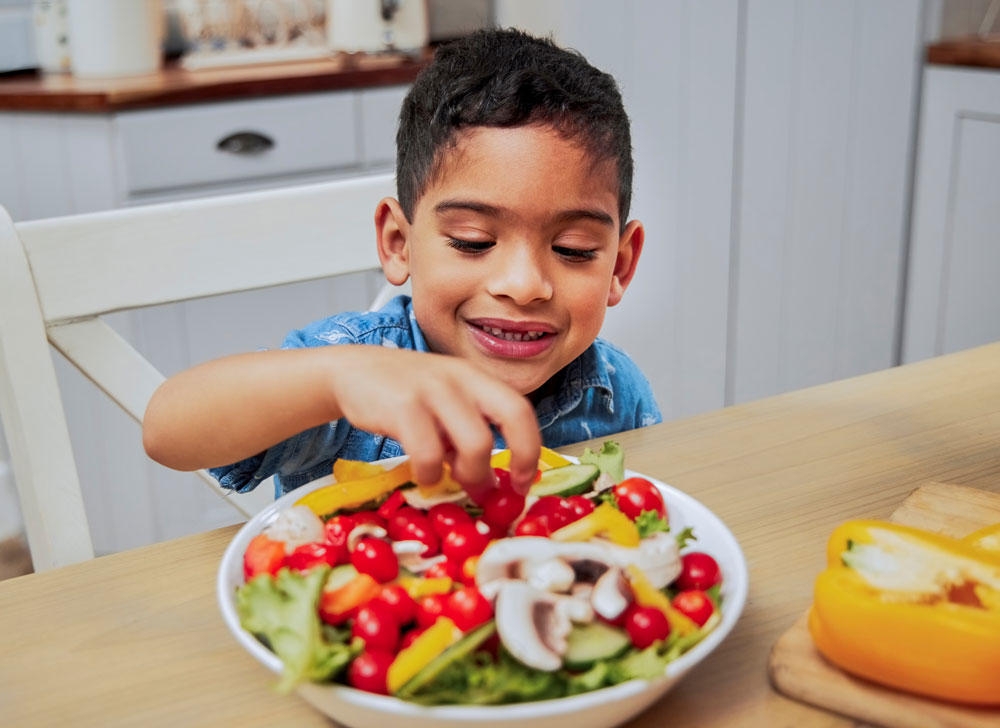
Young boy happily eating fresh vegetable salad
Foods high in added sugars, salt, and unhealthy fats may leave children feeling tired or sluggish when eaten too often.
Remember!

healthy baby Your Child's Gut and Mood

Have you ever heard someone talk about a “gut feeling”? There may be more truth to that than you think.

Inside the digestive system are trillions of tiny bacteria. Some of these bacteria help keep the body healthy and support a strong connection between the gut and the brain. This connection, often called the gut-brain connection, may affect how children feel, think, and behave.

The “good” bacteria in the gut also help produce serotonin, a chemical that helps the body regulate mood, sleep, appetite, and energy levels. It’s often referred to as a “happiness chemical”. Serotonin also supports healthy digestion and helps the gut and brain communicate with each other.

You may be surprised to learn that about 95% of the body’s serotonin is produced in the digestive system. This means the gut does more than digest food – it also plays an important role in overall health and emotional well-being.

A healthy gut may help support:

meal time Foods That Help Children Feel Their Best

One way to help support a healthy gut is by offering a variety of nutritious foods each day. Healthy foods give children energy to run, jump, learn, and explore. They also help support strong bones, muscles, and teeth.
Here are a few foods that provide important nutrients:

bottles Water is Important, Too!

Staying hydrated helps the body work properly and supports healthy digestion.
Offering healthy foods and drinks throughout the day can help children stay energized and ready for their 
daily activities.

Water is the best choice for staying hydrated because it doesn’t contain added sugar. Sugary drinks, like soda, fruit drinks, sports drinks, and sweet tea, can make it harder for the healthy bacteria in the gut to thrive when consumed too often.

Tip!
To make water more fun, try serving it in a colorful cup or adding slices of fruit like lemon, oranges, or cucumbers for natural flavor.

build healthy Simple Ways to Build Healthy Eating Habits
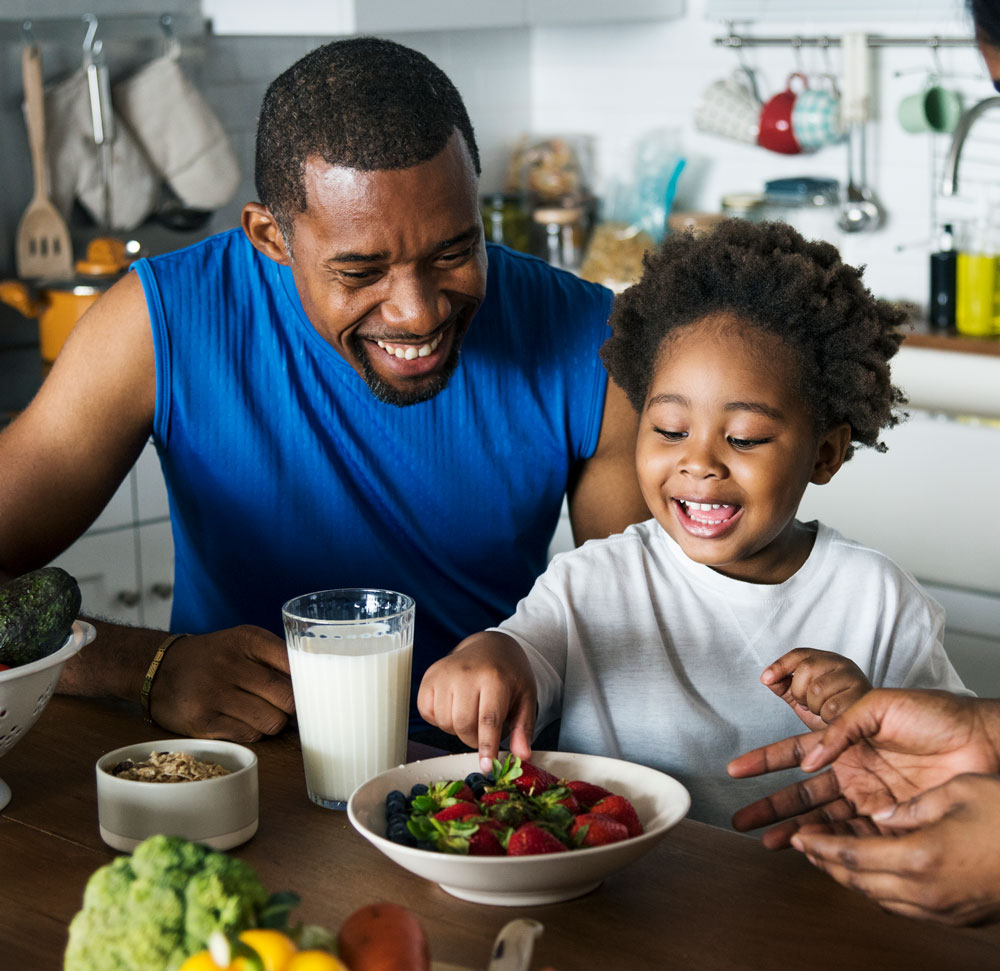
Parents and caregivers have a big influence on children’s eating habits and what goes into their guts. Small changes can make a big difference over time.

You can also help by:

Family enjoying healthy meal together, smiling

Woman and child with health checkmark Be a Healthy Role Model

Children learn by watching the adults around them. When they see you enjoying healthy foods and drinking water, they are more likely to do the same.

Healthy eating doesn’t have to be perfect. Small steps add up over time. Every time you offer nutritious foods, create positive mealtimes, and be a good role model, you help your child build healthy habits for life.

Remember!

REFERENCES:

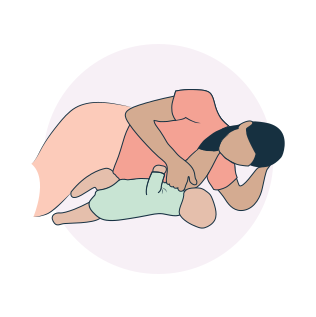
Side-Lying Hold

  1. For the right breast, lie on your right side with your baby facing you.
  2. Pull your baby close. Your baby’s mouth should be level with your nipple.
  3. In this position, you can cradle your baby’s back with your left arm and support yourself with your right arm and/or pillows.
  4. Keep loose clothing and bedding away from your baby.
  5. Reverse for the left breast.

This hold is useful when:

Cross-Cradle Hold

  1. For the right breast, use your left arm to hold your baby’s head at your right breast and baby’s body toward your left side. A pillow across your lap can help support your left arm.
  2. Gently place your left hand behind your baby’s ears and neck, with your thumb and index finger behind each ear and your palm between baby’s shoulder blades. Turn your baby’s body toward yours so your tummies are touching.
  3. Hold your breast as if you are squeezing a sandwich. To protect your back, avoid leaning down to your baby. Instead, bring your baby to you.
  4. As your baby’s mouth opens, push gently with your left palm on baby’s head to help them latch on. Make sure you keep your fingers out of the way.
  5. Reverse for the left breast.

This hold is useful when:

Clutch or “Football” Hold

  1. For the right breast, hold your baby level, facing up, at your right side.
  2. Put your baby’s head near your right nipple and support their back and legs under your right arm.
  3. Hold the base of your baby’s head with your right palm. A pillow underneath your right arm can help support your baby’s weight.
  4. To protect your back, avoid leaning down to your baby. Bring baby to you instead.
  5. Reverse for the left breast.

This hold is useful when:

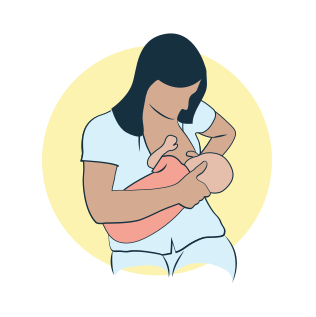
Cradle Hold

  1. For the right breast, cradle your baby with your right arm. Your baby will be on their left side across your lap, facing you at nipple level.
  2. Your baby’s head will rest on your right forearm with your baby’s back along your inner arm and palm.
  3. Turn your baby’s tummy toward your tummy. Your left hand is free to support your breast, if needed. Pillows can help support your arm and elbow.
  4. To protect your back, avoid leaning down to your baby. Instead, bring your baby to you.
  5. Reverse for the left breast.

This hold is useful when:

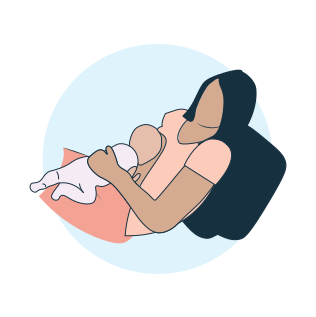
Laid-Back Hold

  1. Lean back on a pillow with your baby’s tummy touching yours and their head at breast level. Some moms find that sitting up nearly straight works well. Others prefer to lean back and lie almost flat.
  2. You can place your baby’s cheek near your breast, or you may want to use one hand to hold your breast near your baby. It’s up to you and what you think feels best.
  3. Your baby will naturally find your nipple, latch, and begin to suckle.

This hold is useful when: